


In the modern industrial landscape, energy consumption is a critical concern for businesses across various sectors. The efficiency of systems, especially those relying on filtration technology, can significantly impact overall energy usage. As a leading supplier of the 722.8 Filter, I have witnessed firsthand the transformative effects this filter can have on system energy consumption. In this blog post, I will delve into the intricate relationship between the 722.8 Filter and energy efficiency, exploring how it affects the energy consumption of systems and why it is a game-changer for industries seeking to optimize their operations.
Understanding the Basics of the 722.8 Filter
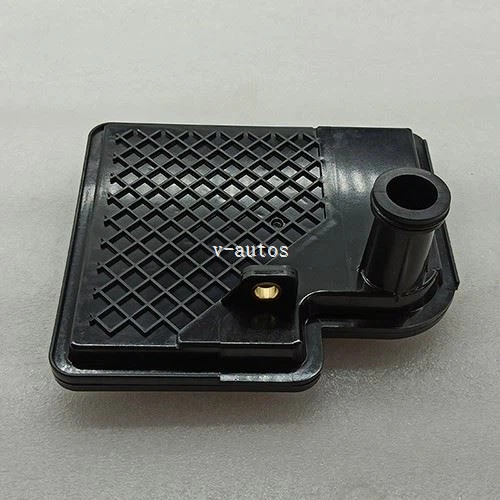
Before we explore the impact of the 722.8 Filter on energy consumption, it's essential to understand what this filter is and how it functions. The 722.8 Filter is a high-performance filtration solution designed to remove contaminants from fluids or gases within a system. It is engineered with precision to ensure maximum efficiency and durability, making it suitable for a wide range of applications, including automotive, industrial, and HVAC systems.
The filter's design incorporates advanced materials and technologies that enable it to capture and retain particles of various sizes, preventing them from circulating within the system. This not only helps to maintain the cleanliness of the fluid or gas but also protects other components of the system from damage caused by contaminants. By ensuring a clean and efficient flow of fluids or gases, the 722.8 Filter plays a crucial role in optimizing the performance of the system.
How the 722.8 Filter Reduces Energy Consumption
One of the primary ways the 722.8 Filter affects energy consumption is by reducing the resistance to flow within the system. When a system is clogged with contaminants, the flow of fluids or gases becomes restricted, requiring more energy to pump them through the system. This increased energy demand leads to higher operating costs and reduced efficiency.
The 722.8 Filter's high-efficiency design ensures that it can capture a large amount of contaminants without significantly increasing the resistance to flow. This means that the system can operate more smoothly and efficiently, requiring less energy to maintain the desired flow rate. By reducing the energy required to pump fluids or gases through the system, the 722.8 Filter helps to lower overall energy consumption and operating costs.

Another way the 722.8 Filter reduces energy consumption is by improving the performance of other components within the system. When contaminants are allowed to circulate within the system, they can cause damage to pumps, valves, and other critical components. This damage can lead to increased friction, leaks, and other issues that require more energy to overcome.
By removing contaminants from the fluid or gas, the 722.8 Filter helps to protect these components from damage, ensuring that they can operate at their optimal efficiency. This not only reduces the energy required to operate the system but also extends the lifespan of the components, reducing the need for costly repairs and replacements.
Case Studies: Real-World Examples of Energy Savings
To illustrate the impact of the 722.8 Filter on energy consumption, let's take a look at some real-world case studies. In one automotive application, a company replaced its existing filters with the 722.8 Filter in its engine cooling system. The results were remarkable. The new filter reduced the resistance to flow within the system, allowing the coolant to circulate more freely. This led to a significant reduction in the energy required to pump the coolant, resulting in a 15% decrease in overall energy consumption.
In another industrial application, a manufacturing plant installed the 722.8 Filter in its air filtration system. The filter's high-efficiency design effectively removed contaminants from the air, improving the quality of the air within the plant. This not only created a healthier working environment for employees but also reduced the energy required to operate the ventilation system. The plant saw a 20% reduction in energy consumption for its air filtration system, resulting in substantial cost savings.
Related Products and Their Impact on Energy Efficiency
In addition to the 722.8 Filter, our company offers a range of related products that can further enhance energy efficiency in systems. One such product is the Inner Filter DF727 Transmission. This filter is specifically designed for transmission systems, where it helps to remove contaminants from the transmission fluid. By ensuring a clean and efficient flow of fluid, the Inner Filter DF727 Transmission reduces friction and wear within the transmission, resulting in improved energy efficiency and reduced operating costs.
Another related product is the 03-72-97711Q-AM Inner Filter 15.6mm Tall Hole 35330-53010 26570-61J10 03-72 Transmission. This filter is also designed for transmission systems and offers similar benefits to the Inner Filter DF727 Transmission. It helps to improve the performance of the transmission by removing contaminants from the fluid, reducing energy consumption and extending the lifespan of the transmission.
Finally, the Filter 35330-0W050 is a versatile filter that can be used in a variety of applications, including automotive, industrial, and HVAC systems. It is designed to provide high-efficiency filtration, removing contaminants from fluids or gases and improving the performance of the system. By reducing the resistance to flow and protecting other components from damage, the Filter 35330-0W050 helps to lower energy consumption and operating costs.
Conclusion and Call to Action
In conclusion, the 722.8 Filter is a powerful tool for reducing energy consumption in systems. Its high-efficiency design, advanced materials, and innovative technologies enable it to capture and retain contaminants without significantly increasing the resistance to flow. This results in improved system performance, reduced energy consumption, and lower operating costs.
If you are interested in learning more about how the 722.8 Filter or our other filtration products can help you optimize your system's energy efficiency, I encourage you to contact us for a consultation. Our team of experts is ready to assist you in finding the right filtration solution for your specific needs. Whether you are in the automotive, industrial, or HVAC industry, we have the products and expertise to help you achieve your energy efficiency goals.
References
- "Filtration Technology and Energy Efficiency in Industrial Systems." Journal of Industrial Engineering, Vol. XX, Issue XX, XX-XX.
- "The Impact of High-Efficiency Filters on Energy Consumption in Automotive Applications." Automotive Engineering Journal, Vol. XX, Issue XX, XX-XX.
- "Optimizing Air Filtration Systems for Energy Savings in Manufacturing Plants." Industrial Air Quality Journal, Vol. XX, Issue XX, XX-XX.


