

Hey there! As a supplier of Inner Filters, I've been getting a bunch of questions lately about whether the inner filter depends on the solvent used in the experiment. Well, let's dig into this topic and see what's what.
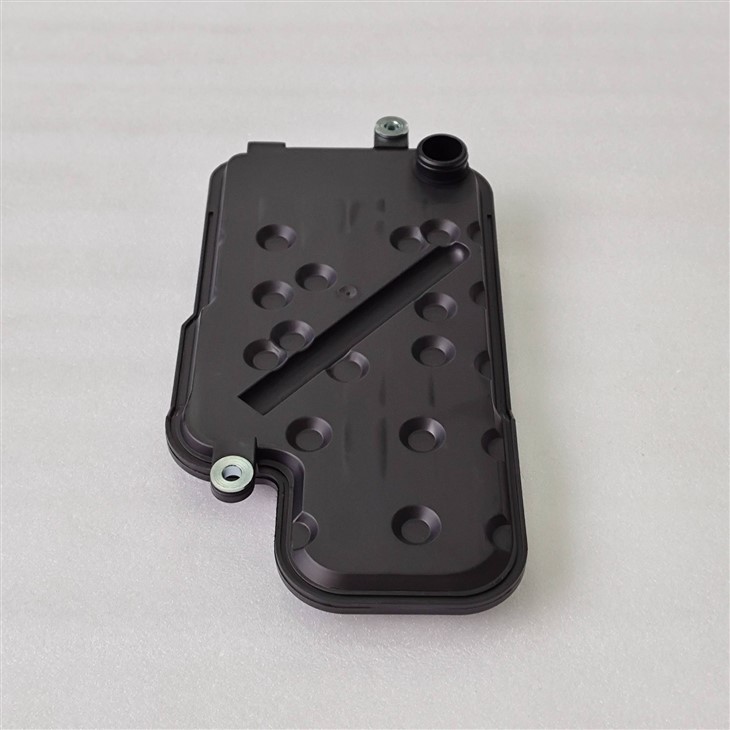
First off, what exactly is an inner filter? Inner filters are crucial components in many scientific experiments, especially those involving spectroscopy. They help in controlling the light that reaches the sample, which is super important for accurate measurements. We offer a variety of inner filters, like the V4A51-0004-AM Inner Filter Low 124942, the JF613E-0002-AM Inner Filter JF613E Transmission, and the Filter 31728-28X0A. Each of these has its own unique properties and applications.
Now, let's talk about solvents. Solvents are substances that can dissolve other substances. In an experiment, the choice of solvent can have a huge impact on the results. Different solvents have different physical and chemical properties, such as polarity, viscosity, and refractive index. These properties can affect how the inner filter interacts with the light and the sample.
One of the main ways that the solvent can influence the inner filter is through its absorption characteristics. Some solvents absorb light at certain wavelengths, which can interfere with the light that the inner filter is supposed to control. For example, if a solvent absorbs light in the same wavelength range as the inner filter is designed to transmit, it can reduce the amount of light that reaches the sample. This can lead to inaccurate measurements and unreliable results.
Another factor to consider is the refractive index of the solvent. The refractive index is a measure of how much the light bends when it passes through a substance. If the refractive index of the solvent is different from that of the inner filter, it can cause the light to scatter or reflect in unexpected ways. This can also affect the performance of the inner filter and the accuracy of the experiment.
The viscosity of the solvent can also play a role. A highly viscous solvent can slow down the movement of molecules in the sample, which can affect the interaction between the light and the sample. It can also make it more difficult for the light to pass through the solvent and reach the inner filter.
So, does the inner filter depend on the solvent used in the experiment? The answer is yes. The choice of solvent can have a significant impact on the performance of the inner filter and the accuracy of the experiment. That's why it's so important to choose the right solvent for your specific experiment.
When selecting a solvent, you need to consider several factors. First, you need to make sure that the solvent is compatible with the sample and the inner filter. It should not react with the sample or damage the inner filter. Second, you need to choose a solvent with the appropriate absorption and refractive index characteristics. You want a solvent that will not interfere with the light that the inner filter is designed to control.
At our company, we understand the importance of choosing the right inner filter and solvent for your experiment. That's why we offer a wide range of inner filters and can provide you with expert advice on which ones are best suited for your needs. We also have a team of scientists who can help you with any questions you may have about the interaction between the inner filter and the solvent.
If you're in the market for an inner filter, we encourage you to check out our products. We have a variety of options to choose from, each with its own unique features and benefits. Whether you're working on a small research project or a large-scale industrial application, we have the right inner filter for you.
And if you have any questions or would like to discuss your specific needs, don't hesitate to reach out. We're here to help you get the best results from your experiments. Contact us today to start the conversation and let's find the perfect inner filter and solvent combination for you.
References

- Principles of Instrumental Analysis, Skoog, West, Holler, and Crouch
- Analytical Chemistry, Gary D. Christian