
Hey there! As a supplier of the 18401A, I often get asked if this nifty device supports Wi-Fi. Well, let's dive right into it and find out.
First off, the 18401A is a pretty cool piece of equipment. It's got a lot of features that make it stand out in the market. But when it comes to Wi-Fi, things can get a bit tricky.
The 18401A is designed with a focus on reliability and performance. It's used in a variety of industries, from manufacturing to telecommunications. And while Wi-Fi is becoming more and more common in today's tech-savvy world, not all devices need it.


Let's take a look at the technical side of things. The 18401A has its own set of communication protocols and interfaces. These are what allow it to connect to other devices and systems. Now, Wi-Fi is just one type of wireless communication, and the 18401A might not have been built with it in mind.
However, that doesn't mean you can't get Wi-Fi functionality. There are ways to add Wi-Fi to the 18401A, but it might require some additional hardware or software. For example, you could use a Wi-Fi adapter. These are small devices that can be connected to the 18401A to enable Wi-Fi connectivity.
There are also some third - party solutions available. Some companies have developed software that can be installed on the 18401A to make it Wi-Fi compatible. But before you go down that route, you need to make sure that these solutions are compatible with your specific model of the 18401A.
Now, let's talk about the pros and cons of adding Wi-Fi to the 18401A.
Pros
- Mobility: With Wi-Fi, you can move the 18401A around without having to worry about cables. This is great if you need to use it in different locations within a building or even outdoors.
- Easy setup: Wi-Fi networks are generally easy to set up. You can connect the 18401A to an existing Wi-Fi network with just a few clicks.
- Remote access: You can access the 18401A remotely over a Wi-Fi network. This means you can monitor and control it from anywhere, as long as you have an internet connection.
Cons
- Security risks: Wi-Fi networks are more vulnerable to security threats compared to wired networks. If you add Wi-Fi to the 18401A, you need to make sure you have proper security measures in place.
- Interference: Wi-Fi signals can be affected by other electronic devices and physical obstacles. This can lead to a weaker signal and slower data transfer speeds.
- Compatibility issues: As mentioned earlier, adding Wi-Fi might require additional hardware or software. There's always a risk that these might not be fully compatible with the 18401A.
If you're thinking about adding Wi-Fi to your 18401A, it's important to do your research. You can also reach out to us as your supplier. We have a team of experts who can help you figure out the best solution for your specific needs.
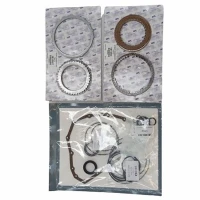
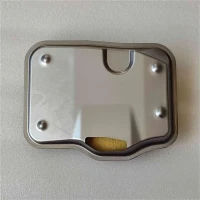
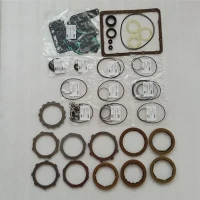
By the way, we also offer some great overhaul kits for the 18401A. Check out our Overhaul Kit JF015E, 6HP19-0002-AM, and Overhaul Kit K114 K115. These kits can help keep your 18401A in top - notch condition.
In conclusion, while the 18401A doesn't natively support Wi-Fi, there are ways to add this functionality. It all depends on your specific requirements and whether the benefits outweigh the drawbacks. If you're interested in purchasing the 18401A or need more information about Wi-Fi compatibility and our overhaul kits, don't hesitate to get in touch with us for a procurement discussion.
References
- Industry reports on device communication protocols
- Technical specifications of the 18401A