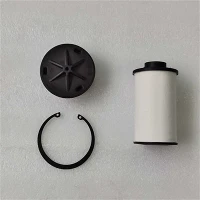

Can Filter K310 be reused?
As a supplier of Filter K310, I often receive inquiries from customers about the reusability of this filter. This is a crucial question that impacts both cost - effectiveness and system performance. In this blog, I'll delve into the factors that determine whether Filter K310 can be reused and share some insights on making the right decision.
Understanding Filter K310
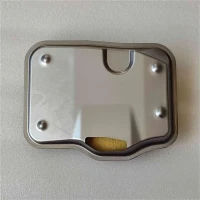
Before we discuss reusability, it's essential to understand what Filter K310 is and how it functions. Filter K310 is designed to perform specific filtration tasks, typically in industrial or automotive applications. It's engineered to trap contaminants such as dust, dirt, and debris from a fluid stream, ensuring that the equipment it serves operates smoothly and efficiently.
The structure of Filter K310 consists of a filtration media, which is the core component responsible for capturing particles, and a housing that holds the media in place. The filtration media is often made of materials like paper, fabric, or synthetic fibers, each with its own filtration capabilities and limitations.
Factors Affecting Reusability
Contaminant Type and Level
One of the primary factors determining whether Filter K310 can be reused is the type and level of contaminants it has captured. If the filter has been exposed to relatively clean fluids with only a small amount of fine dust, there's a higher chance that it can be reused after proper cleaning. For example, in a well - maintained indoor industrial environment where the air is filtered before entering the system, the contaminants on the filter may be mainly light dust particles.
On the other hand, if the filter has been used in a harsh environment, such as a construction site or a manufacturing plant with high levels of heavy metals, oil, or sticky substances, reusing it becomes much more challenging. These types of contaminants can clog the filtration media irreversibly, reducing its filtration efficiency and potentially causing damage to the equipment downstream.
Filtration Media Integrity
The integrity of the filtration media is another critical factor. Over time, the media can experience wear and tear due to the pressure of the fluid passing through it and the mechanical stress of capturing contaminants. If the media has developed holes, tears, or significant structural damage, reusing the filter is not advisable. Even a small hole can allow contaminants to bypass the filtration process, defeating the purpose of using the filter in the first place.
Cleaning Method
If the decision is made to attempt reusing Filter K310, the cleaning method is of utmost importance. There are several cleaning techniques available, including air blowing, washing with a suitable solvent, or ultrasonic cleaning. However, not all methods are suitable for every type of filter and contaminant.
For instance, air blowing is a simple and quick method, but it may not be effective in removing stubborn contaminants. Washing with a solvent can be more thorough, but the solvent must be carefully selected to avoid damaging the filtration media. Ultrasonic cleaning can provide a high - level of cleaning, but it also requires specialized equipment and proper handling to prevent damage.
The Risks of Reusing Filter K310
While reusing Filter K310 may seem like a cost - saving measure, it comes with certain risks. If the filter is not cleaned properly or if it has suffered significant damage, it can lead to reduced filtration efficiency. This means that more contaminants will pass through the filter and reach the equipment, potentially causing premature wear, breakdowns, and increased maintenance costs.
In addition, reusing a filter that has been contaminated with certain substances, such as chemicals or biological agents, can pose health and safety risks. These contaminants may be released back into the environment or the system during the reuse process, endangering the operators and the overall quality of the product or service.
Alternatives to Reusing Filter K310
If reusing Filter K310 is not a viable option, there are other alternatives to consider. One option is to invest in high - quality, long - lasting filters. These filters may have a higher upfront cost but can provide better performance and a longer service life, reducing the frequency of replacements.
Another alternative is to explore different types of filters that are more suitable for the specific application. For example, if the current filter is struggling to handle a particular type of contaminant, switching to a filter with a different filtration media or design may be a better solution. We offer a range of filters such as the 0B5 - 0005 - AM - L Outer Filter With Ring 0B5 325 330 A 0B5 Auto Transmission, DCT360 - 0005 - OEM Outer Filter, and 7D36SG - 0006 - AM Outer Filter 7D36SG Transmission that are designed to meet various filtration needs.
Making the Decision
In conclusion, the decision of whether to reuse Filter K310 should be based on a careful assessment of the factors mentioned above. It's important to weigh the potential cost savings against the risks of reduced performance and equipment damage.
If you're unsure about the reusability of Filter K310 or need advice on the best filtration solution for your application, our team of experts is here to help. We have extensive experience in the filtration industry and can provide you with personalized recommendations based on your specific requirements.


Whether you're looking to optimize your filtration system, reduce costs, or improve the efficiency of your equipment, we're committed to providing you with the highest quality products and services. Contact us to start a discussion about your filtration needs and explore the best options available.
References
- "Filtration Handbook" by Christopher D. Hodgson
- "Industrial Filtration Technology" by John F. Lawrence