


··Manual transmissions are the most durable; CVTs and DCTs are more sensitive to maintenance
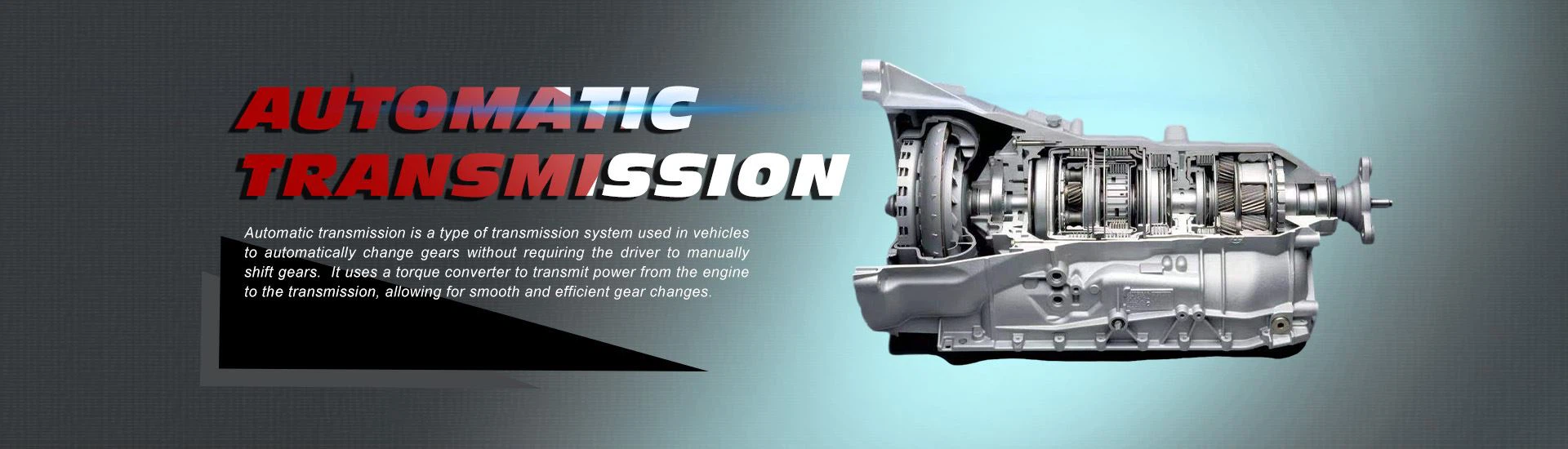
What is the average service life of a transmission? Based on industry data and repair practices, there is no single answer. The actual lifespan mainly depends on transmission type, driving habits, and maintenance. Overall, manual transmissions (MT) are usually the most durable, followed by conventional automatic transmissions (AT), while continuously variable transmissions (CVT) and dual-clutch transmissions (DCT) are more sensitive to use and maintenance.
Lifespans vary significantly by type
Common industry reference values show the following approximate lifespans:
| Transmission type | Typical lifespan reference | Key characteristics |
|---|---|---|
| Manual transmission (MT) | 300,000–400,000 km or more, up to about 20 years | Simple and reliable, theoretically the most durable; actual life depends heavily on clutch operation habits |
| Conventional automatic transmission (AT) | 200,000–300,000 km, design life about 8–10 years | Mature and stable; with proper maintenance, some can last 500,000 km or longer |
| Continuously variable transmission (CVT) | 200,000–300,000 km, or 15–20 years | Steel belt design life is about 300,000 km; frequent aggressive driving may shorten it to around 150,000 km |
| Dual-clutch transmission (DCT) | Dry: 100,000–200,000 km; Wet: 200,000–350,000 km | Wet versions usually last longer than dry ones due to better cooling; stop-and-go low-speed creeping has a major impact |
Maintenance is key to extending lifespan
Industry experts note that regularly replacing transmission fluid that meets specifications is one of the most effective ways to extend transmission life. Intervals vary by type: AT is usually recommended every 60,000–80,000 km, while CVT and DCT may require shorter intervals, such as 40,000–60,000 km. Specific recommendations should follow the vehicle maintenance manual.
In addition, driving habits have a significant impact. Smooth driving helps extend transmission life. For CVTs, frequent full-throttle acceleration can accelerate steel-belt wear; for DCTs, prolonged low-speed creeping can aggravate clutch-plate wear.
Conclusion
From a mechanical standpoint, MTs and ATs have a better durability foundation, while CVTs and DCTs rely more on careful maintenance. Transmission lifespan is not a fixed figure. Good maintenance habits and gentle driving can help any type of transmission approach the upper limit of its design life.
(This article was compiled from publicly available industry information.)


