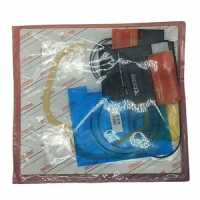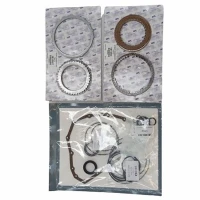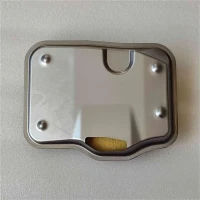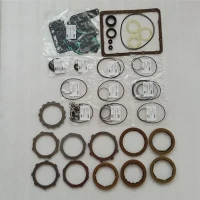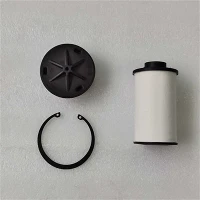

As a supplier of Filter JF011E, I often get asked about the color of this particular filter. This seemingly simple question actually involves a lot of technical and practical aspects. In this blog, I'll delve into the color of Filter JF011E, exploring its significance, possible variations, and how it relates to the filter's performance.
The Standard Color of Filter JF011E
Filter JF011E typically comes in a specific color that is determined by the materials used in its manufacturing process and the design requirements. Generally, it is colored black. This color choice is not arbitrary; it is based on both functional and aesthetic considerations.
From a functional perspective, black is a common color for filters because it can help to absorb and dissipate heat. Filters often operate in environments where they are exposed to high temperatures, either from the surrounding air or the equipment they are filtering. The black color allows the filter to absorb heat more effectively and transfer it away, preventing overheating and potential damage to the filter or the system it is part of.
Aesthetically, black is a neutral and professional - looking color that blends well with most equipment and industrial settings. It gives the filter a sleek and modern appearance, which is important for both end - users and manufacturers who want their products to look presentable.
Variations in Color
While black is the standard color for Filter JF011E, there can be some minor variations. These variations can occur due to differences in the manufacturing batches, the quality of the raw materials, or the specific requirements of the customer.
In some cases, the black color might have a slightly different shade. For example, it could be a matte black or a glossy black. Matte black is often preferred in applications where glare needs to be minimized, such as in optical or electronic equipment. Glossy black, on the other hand, can give the filter a more high - end and polished look, which might be suitable for consumer - facing products.


There are also rare instances where the filter might be a different color altogether. This could be due to a custom order from a customer who has specific branding or design requirements. For example, a company might want their filters to be colored in their corporate colors to enhance brand recognition. However, these custom - colored filters are not as common as the standard black ones.
The Relationship between Color and Performance
The color of Filter JF011E is more than just a visual characteristic; it can also have an impact on the filter's performance. As mentioned earlier, the black color helps with heat dissipation, which is crucial for maintaining the filter's efficiency. If a filter overheats, it can lead to a decrease in its filtering capacity, as the materials inside the filter might expand or degrade.
In addition, the color can also affect the filter's ability to resist UV radiation. Black filters are generally more resistant to UV damage compared to lighter - colored filters. This is because black absorbs UV light rather than reflecting it, reducing the chances of the filter materials being broken down by the UV rays over time.
Comparing with Other Filters
To better understand the color of Filter JF011E, it's useful to compare it with other similar filters in the market. For example, the A4CF1 - 265940 - AM Inner Filter 46321 - 23001 46321 - 23000 might have a different color scheme. Some of these filters could be white or gray, which are also common colors in the filter industry. White filters are often used in applications where cleanliness and visibility are important, such as in food processing or pharmaceutical industries. Gray filters, on the other hand, can offer a balance between the heat - absorbing properties of black and the visibility of white.
Another filter to consider is the 03 - 72 - 97711Q - AM Inner Filter 15.6mm Tall Hole 35330 - 53010 26570 - 61J10 03 - 72 Transmission. The color of this filter might be chosen based on its specific function within the transmission system. It could be a color that provides better contrast for easy inspection and maintenance.
The Filter 35330 - 0W050 also has its own color characteristics. The color choice for this filter is likely to be related to its compatibility with the equipment it is used in and the environmental conditions it will face.
Importance of Color in Identification and Quality Control
The color of Filter JF011E plays a vital role in identification and quality control. During the manufacturing process, the color serves as an easy - to - recognize characteristic that helps workers quickly identify the correct filter type. This reduces the chances of errors in assembly and packaging.
In quality control, the color can be an indicator of the filter's quality. Any significant deviation from the standard color could be a sign of a manufacturing defect or a problem with the raw materials. For example, if a filter is supposed to be black but appears to have a greenish tint, it could mean that there is an issue with the chemical composition of the filter materials.
Conclusion
In conclusion, the color of Filter JF011E is typically black, which is a result of both functional and aesthetic considerations. While there can be some variations in color, these are usually minor and can be attributed to manufacturing differences or custom orders. The color of the filter is not just a cosmetic feature; it has important implications for the filter's performance, heat dissipation, UV resistance, and ease of identification and quality control.
If you are interested in purchasing Filter JF011E or have any questions about its color, performance, or other aspects, please feel free to reach out to us for a detailed discussion. We are more than happy to assist you in finding the right filter for your specific needs.
References
- Industrial Filter Manufacturing Handbook
- Studies on the Impact of Color on Filter Performance in High - Temperature Environments
- Guide to Filter Selection and Application in Different Industries