

Hey there! As a supplier of filters, I often get asked about different types of filters and their functions. One type that's been getting a lot of attention lately is the particulate filter, especially in the context of exhaust systems. So, let's dive into what a particulate filter is and what it does in exhaust systems.
What is a Particulate Filter?
A particulate filter, also known as a particulate matter (PM) filter, is a device designed to capture and remove solid or liquid particles from a gas stream. In the case of exhaust systems, these particles are typically emitted by engines during the combustion process. The filter works by allowing the exhaust gases to pass through it while trapping the particulate matter.
Particulate filters come in various shapes and sizes, depending on their application. They can be made from different materials, such as ceramic, metal, or fiber. Each material has its own advantages and disadvantages, which we'll discuss later.
How Does a Particulate Filter Work in Exhaust Systems?
In an exhaust system, the particulate filter is usually located downstream of the engine, where it can capture the particulate matter before it is released into the atmosphere. When the exhaust gases flow through the filter, the particles are trapped on the filter's surface or within its porous structure.
There are two main types of particulate filters used in exhaust systems: diesel particulate filters (DPFs) and gasoline particulate filters (GPFs).
Diesel Particulate Filters (DPFs)
DPFs are specifically designed for diesel engines, which are known to emit higher levels of particulate matter compared to gasoline engines. These filters are made of a porous ceramic material, such as cordierite or silicon carbide, which has a honeycomb structure. The honeycomb structure provides a large surface area for the particles to be trapped.
As the exhaust gases pass through the DPF, the particles are deposited on the walls of the honeycomb channels. Over time, the filter can become clogged with particulate matter, which can reduce its efficiency and increase the backpressure in the exhaust system. To prevent this, DPFs are equipped with a regeneration system, which burns off the trapped particles at high temperatures.
There are two types of regeneration: passive and active. Passive regeneration occurs naturally when the exhaust gas temperature is high enough to burn off the particles. Active regeneration, on the other hand, is initiated by the engine control unit (ECU) when the filter reaches a certain level of clogging. During active regeneration, the ECU adjusts the engine's operating parameters to increase the exhaust gas temperature and burn off the trapped particles.
Gasoline Particulate Filters (GPFs)
GPFs are similar to DPFs, but they are designed for gasoline engines. Gasoline engines typically emit lower levels of particulate matter compared to diesel engines, but the particles they emit are smaller and more harmful to human health. GPFs are made of a similar porous ceramic material as DPFs, but they have a different structure to optimize the capture of smaller particles.

Like DPFs, GPFs can also become clogged over time, which can reduce their efficiency. However, gasoline engines operate at higher temperatures than diesel engines, which means that GPFs can regenerate more easily through passive regeneration. In some cases, active regeneration may still be required to ensure the filter's optimal performance.
The Importance of Particulate Filters in Exhaust Systems
Particulate filters play a crucial role in reducing the environmental impact of exhaust emissions. By capturing and removing particulate matter from the exhaust gases, these filters help to improve air quality and reduce the health risks associated with breathing in polluted air.
Particulate matter can have a variety of harmful effects on human health, including respiratory problems, cardiovascular diseases, and cancer. By reducing the amount of particulate matter in the air, particulate filters can help to protect the health of both humans and the environment.
In addition to their environmental benefits, particulate filters can also improve the performance and efficiency of engines. By reducing the backpressure in the exhaust system, these filters can help to increase the engine's power output and reduce fuel consumption.
Choosing the Right Particulate Filter
When choosing a particulate filter for your exhaust system, there are several factors to consider. These include the type of engine, the application, the operating conditions, and the required level of filtration.
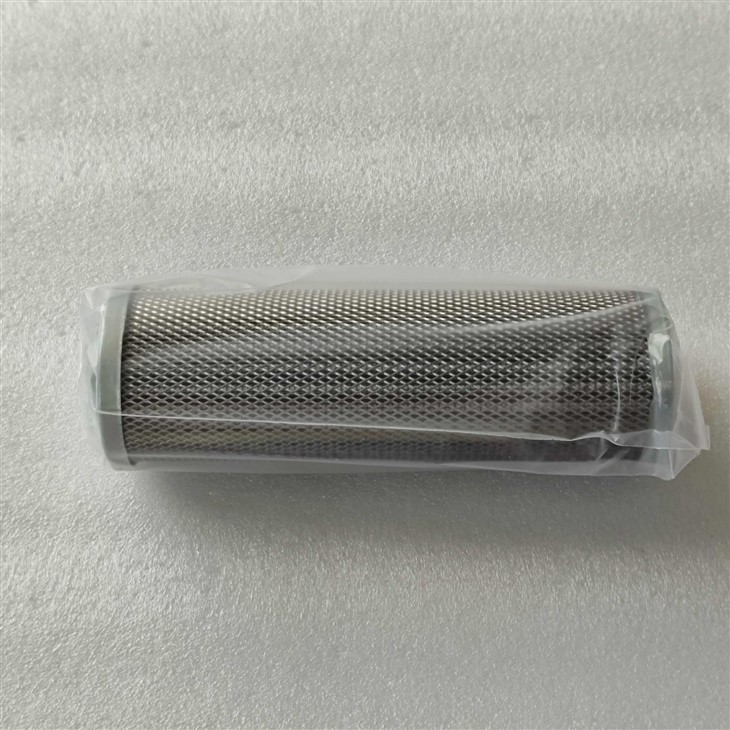
As a filters supplier, we offer a wide range of particulate filters to meet the needs of different customers. For example, we have the AATP - 0199 - AM Filter For Solenoid Tester Transmission Filter, which is designed for specific applications in solenoid testers. This filter provides high - efficiency filtration and is built to last.
It's also important to consider the maintenance requirements of the particulate filter. Some filters require regular cleaning or replacement, while others can be regenerated automatically. Make sure to choose a filter that is easy to maintain and fits your budget.
Conclusion
In conclusion, particulate filters are an essential component of modern exhaust systems. They help to reduce the environmental impact of exhaust emissions, improve air quality, and protect human health. Whether you have a diesel or gasoline engine, a particulate filter can help to optimize the performance and efficiency of your vehicle.
If you're in the market for a particulate filter or any other type of filter, we're here to help. We have a team of experts who can assist you in choosing the right filter for your specific needs. Don't hesitate to reach out to us for more information or to start a procurement discussion. We're looking forward to working with you!
References
- "Diesel Particulate Filters: Technology and Applications" by Smith, J.
- "Gasoline Particulate Filters: Design and Performance" by Johnson, R.