


Hey there! As a filter supplier, I'm super excited to dig into the world of charcoal filters and chat about their adsorption properties.
So, what exactly is a charcoal filter? Well, charcoal filters are like the unsung heroes in the world of purification. They're made from activated charcoal, which is basically charcoal that's been treated to make it super porous. This porous structure gives it an astonishingly large surface area, making it a top-notch material for adsorbing all sorts of stuff.

Think of it as a super sponge, but instead of just soaking up water, it can grab onto harmful chemicals, pollutants, and even odors from the air or liquids. This is thanks to a process called adsorption. Adsorption is different from absorption. In absorption, a substance is taken into the bulk of another material. But in adsorption, molecules of a substance are attracted to and stick to the surface of another material.
Let's break down how charcoal filters use adsorption. The activated charcoal in these filters has pores of different sizes. When air or a liquid passes through the filter, contaminants get trapped in these pores. The large surface area means there are plenty of spots for these contaminants to latch onto. For example, in a water filtration system, the charcoal filter can remove chlorine, volatile organic compounds (VOCs), and even some heavy metals like lead and mercury. In air purifiers, it can adsorb odors, smoke, and harmful gases such as formaldehyde.
One of the things that makes charcoal filters so effective is their versatility. They can be used in a wide range of applications. In households, you'll often find them in kitchen hoods to get rid of that cooking smell and filter out grease and smoke particles. In fish tanks, charcoal filters help maintain water quality by removing ammonia, nitrates, and other waste products that can harm the fish.
On an industrial scale, charcoal filters are used in chemical plants to remove harmful emissions before they're released into the environment. They're also used in the food and beverage industry to purify water and remove unwanted flavors and colors from products like wine and sugar.
Now, let's talk about some of the factors that affect the adsorption properties of charcoal filters. The first one is the type of activated charcoal used. There are different methods of activating charcoal, and each can result in different pore sizes and distributions. For instance, charcoal activated with steam tends to have a more uniform pore structure, which can be great for adsorbing smaller molecules. On the other hand, chemically activated charcoal might have a wider range of pore sizes, making it better for adsorbing larger molecules.
The temperature and humidity also play a role. Generally, lower temperatures are better for adsorption because the molecules move more slowly and are more likely to stick to the charcoal surface. High humidity can reduce the effectiveness of a charcoal filter, especially when it comes to adsorbing gaseous contaminants. That's because the water molecules in the air can occupy the pores in the charcoal, leaving less space for the contaminants.
Another important factor is the flow rate. If the air or liquid passes through the filter too quickly, the contaminants might not have enough time to adsorb onto the charcoal. So, it's crucial to design the filtration system to have an appropriate flow rate for the best results.
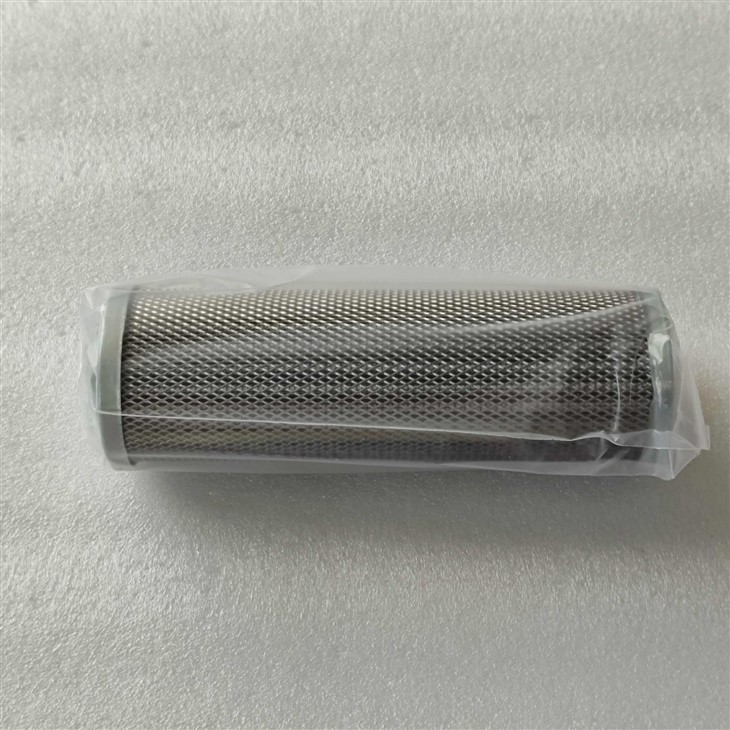
At our place as a filter supplier, we've got a great selection of charcoal filters to meet different needs. One of our top products is the AATP - 0199 - AM Filter For Solenoid Tester Transmission Filter. This filter is specifically designed for solenoid testers and offers excellent adsorption properties to ensure clean and efficient operation.
When it comes to choosing a charcoal filter, it's important to consider your specific requirements. If you're looking for a filter for your home air purifier, you'll want one that's good at removing odors and common household pollutants. If it's for an industrial application, you might need a filter that can handle higher volumes and more complex contaminants.
We also offer custom-made charcoal filters. Our team of experts can work with you to understand your exact needs and design a filter that's perfect for your situation. Whether it's the size, the type of charcoal, or the specific adsorption capabilities you're looking for, we've got you covered.
In conclusion, charcoal filters are amazing tools for purification. Their adsorption properties make them indispensable in many aspects of our lives, from keeping our homes fresh to protecting the environment on an industrial scale. If you're in the market for a charcoal filter, whether it's for a small home device or a large industrial system, don't hesitate to get in touch with us. We're here to help you find the best filter solution for your needs and make sure you get the most out of its adsorption power.
References:
- "Activated Carbon Adsorption" - Basic textbooks on environmental science
- Industry reports on filtration technologies
So, if you're interested in discussing your filter requirements, just reach out and let's start the conversation!


