
Allergies are a common health issue affecting millions of people worldwide. Symptoms can range from mild discomfort, such as sneezing and itchy eyes, to more severe reactions that can significantly impact daily life. One of the potential solutions for allergy sufferers is the use of High-Efficiency Particulate Air (HEPA) filters. As a filters supplier, I've had the opportunity to see firsthand the impact of HEPA filters on allergy management. In this blog, I'll explore whether HEPA filters are suitable for allergy sufferers, examining their functionality, benefits, and limitations.
How HEPA Filters Work
HEPA filters are designed to trap small particles from the air that passes through them. To be classified as a true HEPA filter, it must be able to remove at least 99.97% of particles that are 0.3 microns in diameter. This high level of efficiency is achieved through a combination of three main mechanisms: interception, impaction, and diffusion.
Interception occurs when larger particles in the air come into contact with the fibers of the filter and stick to them. Impaction is the process by which particles are forced out of the air stream and onto the filter fibers due to their inertia. Diffusion affects the smallest particles, which move randomly in the air and eventually collide with the filter fibers.

Benefits of HEPA Filters for Allergy Sufferers
One of the primary benefits of HEPA filters for allergy sufferers is their ability to remove common allergens from the air. These allergens include dust mites, pollen, pet dander, and mold spores. By reducing the concentration of these allergens in the air, HEPA filters can help alleviate allergy symptoms.
For example, dust mites are a major cause of allergic reactions. They thrive in warm, humid environments and can be found in bedding, carpets, and upholstered furniture. HEPA filters can effectively capture dust mite feces and body parts, which are the main triggers for allergic responses.
Pollen is another common allergen, especially during the spring and fall seasons. HEPA filters can prevent pollen from circulating in indoor air, providing a relief for those with pollen allergies. Pet dander, which consists of tiny flakes of skin shed by animals, can also be removed by HEPA filters, making it easier for allergy sufferers to live with pets.
In addition to removing allergens, HEPA filters can also improve overall indoor air quality. They can capture other harmful particles such as smoke, bacteria, and viruses, which can be beneficial for people with respiratory conditions or weakened immune systems.
Types of HEPA Filters and Their Applications
There are several types of HEPA filters available on the market, each with its own specific applications. Some common types include:
- Whole-house HEPA filters: These filters are installed in the HVAC system of a home or building. They can provide comprehensive air purification for the entire space, ensuring that all air circulated through the system is filtered.
- Portable HEPA air purifiers: These are standalone units that can be placed in specific rooms. They are ideal for allergy sufferers who want to target a particular area, such as a bedroom or office.
- HEPA vacuum cleaners: Vacuum cleaners equipped with HEPA filters can effectively remove allergens from carpets and floors. They prevent the re-release of dust and other particles back into the air during the cleaning process.
Limitations of HEPA Filters
While HEPA filters offer many benefits, they also have some limitations. One of the main limitations is that they only filter the air that passes through them. This means that they may not be effective in removing allergens that are settled on surfaces or in areas where air circulation is poor.
Another limitation is that HEPA filters require regular maintenance. The filters need to be replaced periodically to maintain their efficiency. If the filters are not replaced on time, they can become clogged, reducing their ability to capture particles and potentially increasing the risk of mold growth.
In addition, HEPA filters can be relatively expensive, especially whole-house systems. The initial cost of installation and the ongoing cost of filter replacement can be a barrier for some allergy sufferers.
Our Filter Products
As a filters supplier, we offer a wide range of high-quality filters, including HEPA filters. Our products are designed to meet the needs of different customers, whether they are looking for whole-house filtration or portable air purification solutions.
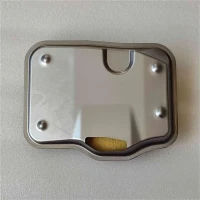
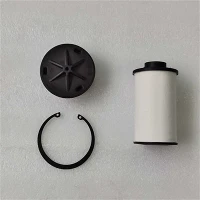
We also have other types of filters that may be relevant to your needs. For example, the 0DD-0018-AM Oil Filter Small On Valve Body 0DD Transmission 0DD325433B is a specialized filter for automotive applications. It helps to keep the transmission fluid clean and free of contaminants, ensuring the smooth operation of the vehicle.
Another product is the AATP-0199-AM Filter For Solenoid Tester Transmission Filter. This filter is designed for use in solenoid testers, helping to maintain the accuracy and reliability of the testing equipment.
Conclusion
In conclusion, HEPA filters can be a suitable option for allergy sufferers. They can effectively remove common allergens from the air, improving indoor air quality and reducing allergy symptoms. However, it's important to be aware of their limitations and to use them in conjunction with other allergy management strategies, such as regular cleaning and maintaining a clean living environment.
If you're an allergy sufferer considering using HEPA filters or are interested in our other filter products, we encourage you to contact us for more information. Our team of experts can help you choose the right filter for your specific needs and provide guidance on installation and maintenance. Let's work together to create a healthier and more comfortable living environment.
References
- American Academy of Allergy, Asthma & Immunology. (2023). Indoor Allergens.
- Environmental Protection Agency. (2023). Indoor Air Quality.
- World Health Organization. (2023). Air Quality Guidelines.