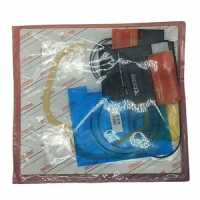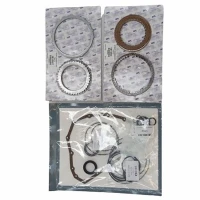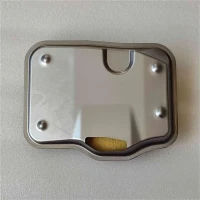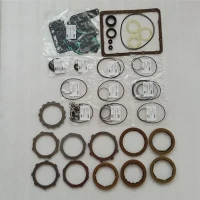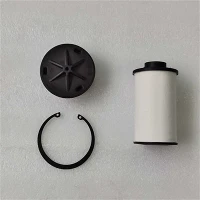

Hey there! As a supplier of Filter K310, I often get asked about how to recycle this little but important device. Recycling not only helps the environment but also makes good economic sense. In this blog, I'll share some practical tips on how to recycle Filter K310 effectively.
First off, let's understand why recycling Filter K310 matters. Filters like K310 play a crucial role in various systems, from industrial machinery to home appliances. Over time, they get clogged with dirt, debris, and sometimes even harmful substances. If we just throw them away, these contaminants can end up in landfills, potentially leaching into the soil and water. Recycling, on the other hand, allows us to recover valuable materials and reduce the environmental impact.
Now, let's get into the nitty - gritty of the recycling process. The first step is to collect used Filter K310s properly. If you're a business or an individual using these filters regularly, set up a dedicated collection bin. Label it clearly so that everyone knows what goes in there. Make sure to keep the bin in a dry and safe place to prevent any damage to the filters.
Once you've collected a good number of used filters, it's time to prepare them for recycling. Start by inspecting each filter. Check for any signs of damage or excessive wear. If a filter is severely damaged, it might not be suitable for recycling and should be disposed of according to local waste management regulations.
Next, you need to clean the filters as much as possible. You can use a soft brush or compressed air to remove loose dirt and debris. For more stubborn contaminants, you might need to soak the filters in a mild cleaning solution. But be careful not to use any harsh chemicals that could damage the filter material or make it non - recyclable.
After cleaning, separate the different components of the Filter K310. Most filters are made up of a housing, a filter element, and sometimes other small parts. Different materials require different recycling processes, so separating them is essential. For example, the housing might be made of plastic or metal. Metals can usually be recycled at a scrap metal yard, while plastics need to be sent to a specialized plastic recycling facility.
The filter element itself can be a bit more tricky. It's often made of a porous material that traps contaminants. Some filter elements can be regenerated and reused, while others need to be recycled in a different way. If the filter element is made of a synthetic fiber, it might be possible to recycle it into new fibers or other plastic products.
Now, let's talk about finding a recycling partner. There are many recycling companies out there, but not all of them are equipped to handle Filter K310. Look for companies that have experience in recycling similar filters. You can search online, ask other businesses in your industry, or contact your local waste management authority for recommendations.
When you've found a potential recycling partner, reach out to them. Explain what you have - the quantity of used Filter K310s, their condition, and the components you've separated. They'll be able to give you more specific instructions on how to proceed. Some recycling companies might even offer to pick up the filters from your location, which can save you a lot of hassle.
Another option is to look into take - back programs. Some manufacturers or suppliers offer take - back programs where they accept used filters and recycle them properly. As a Filter K310 supplier, I'm always looking for ways to promote sustainable practices. If you're interested in a take - back program, feel free to reach out, and we can discuss the details.
It's also worth mentioning that recycling Filter K310 can sometimes have financial benefits. Some recycling companies pay for certain types of materials they can recover from the filters. So, not only are you doing something good for the environment, but you might also make a little extra cash.


If you're in the market for other types of filters, we also supply some great options. Check out our Filter 481972H000, 08A - 0003 - AM Outer Filter With Cover 31726 - 1XA03 RE0F08B JF009 Transmission, and DCT360 - 0005 - OEM Outer Filter. These filters are of high quality and are designed to meet the needs of various applications.
In conclusion, recycling Filter K310 is a multi - step process that involves proper collection, cleaning, component separation, and finding the right recycling partner. By following these steps, you can ensure that your used filters are recycled in an environmentally friendly way. And if you're interested in purchasing Filter K310 or other filters, or if you have any questions about our take - back program, don't hesitate to get in touch. We're always here to help you make the best choices for your filtration needs.
References
- Environmental Protection Agency guidelines on filter recycling
- Industry reports on recycling of filtration products