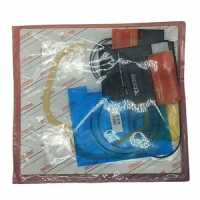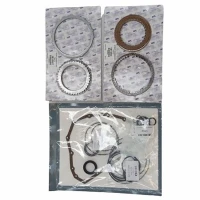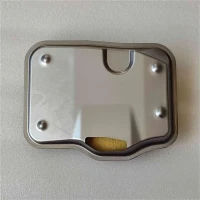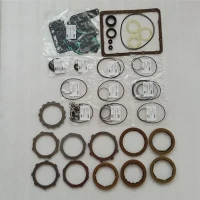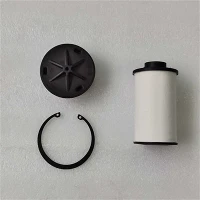

Hey there! As a supplier of Filter K310, I get a lot of questions from customers about how to tell if this filter is working as it should. So, I thought I'd put together this blog post to share some tips and tricks on checking the performance of Filter K310.
First off, let's talk about why it's important to make sure your Filter K310 is working properly. This filter plays a crucial role in keeping your equipment clean and running smoothly. It traps dirt, debris, and other contaminants, preventing them from causing damage to your machinery. If the filter isn't working well, it can lead to all sorts of problems, like reduced efficiency, increased wear and tear, and even breakdowns.
Visual Inspection
The first thing you can do is give the filter a visual once - over. Check for any obvious signs of damage, like cracks, holes, or tears in the filter material. A damaged filter won't be able to do its job effectively, as contaminants can easily bypass the filter through these openings.
Also, look at the color of the filter. Over time, a working filter will start to darken as it collects dirt. But if it's extremely dirty or blackened, it might be clogged. A clogged filter restricts the flow of whatever it's filtering, whether it's air, oil, or another fluid. This can put extra strain on your equipment and lead to poor performance.


Flow Rate Test
One of the key indicators of a properly functioning filter is the flow rate. You can test the flow rate of your Filter K310 by comparing it to the manufacturer's specifications. You'll need a flow meter for this test. Connect the flow meter to the system where the filter is installed, and measure the flow of the fluid before and after the filter.
If the flow rate after the filter is significantly lower than the expected rate, it could mean that the filter is clogged. On the other hand, if the flow rate is too high, it might indicate that the filter has a defect or that it's not properly installed.
Pressure Differential Test
Another important test is the pressure differential test. This test measures the difference in pressure on the inlet and outlet sides of the filter. A pressure gauge is required for this test.
As the filter collects contaminants, the pressure on the inlet side will increase, while the pressure on the outlet side will decrease. This creates a pressure differential. You can find the acceptable pressure differential range in the Filter K310's user manual.
If the pressure differential is higher than the recommended range, it means the filter is clogged and needs to be replaced. A low pressure differential might suggest that the filter is not doing its job properly, perhaps because of a leak or a manufacturing defect.
Contaminant Analysis
You can also perform a contaminant analysis to check the filter's performance. Take a sample of the fluid that has passed through the filter and analyze it for the presence of contaminants. You can use a microscope or other analytical tools to identify the type and size of the particles.
If you find a large number of contaminants in the fluid, it could mean that the filter is not effectively trapping them. This could be due to a damaged filter, incorrect filter selection, or a problem with the system's operating conditions.
Comparing with Similar Filters
If you have other similar filters in your facility, you can compare the performance of Filter K310 with them. For example, if you have multiple machines using the same type of filter, check the condition and performance of each filter.
If one Filter K310 is performing significantly worse than the others, it could be a sign of a problem specific to that filter, such as improper installation or a manufacturing defect.
Using Diagnostic Tools
There are some advanced diagnostic tools available that can help you check the performance of Filter K310. For example, some filters come with built - in sensors that can monitor the filter's condition in real - time. These sensors can detect changes in pressure, flow rate, and other parameters and send alerts when there's a problem.
If you don't have a filter with built - in sensors, you can use external diagnostic devices. These devices can provide detailed information about the filter's performance and help you identify any issues early on.
Other Related Filters
If you're in the market for other types of filters, we also offer a range of high - quality options. For example, the Oil Filter JF015E RE0F11A is a great choice for many applications. It's designed to effectively filter oil and keep your engine running smoothly.
The Outer Filter OEM CTF25 is another reliable option. It provides excellent filtration for a variety of systems, ensuring that your equipment stays clean and protected.
And if you need a filter for a 7D36SG transmission, the 7D36SG - 0006 - AM Outer Filter 7D36SG Transmission is the way to go. It's specifically designed to meet the requirements of this type of transmission.
Conclusion
Checking if Filter K310 is working properly is crucial for the smooth operation of your equipment. By performing visual inspections, flow rate tests, pressure differential tests, contaminant analysis, and using diagnostic tools, you can ensure that your filter is in good condition.
If you have any questions about Filter K310 or need help with filter selection and maintenance, don't hesitate to reach out. We're here to assist you in getting the most out of your filters and keeping your equipment running at its best. Contact us for more information and to start discussions about your procurement needs.
References
- Manufacturer's manual for Filter K310
- Industry standards for filter testing and performance evaluation