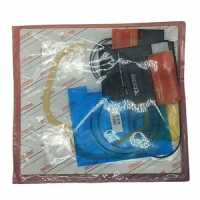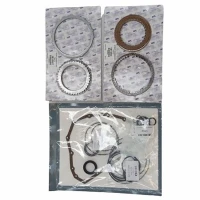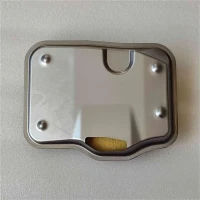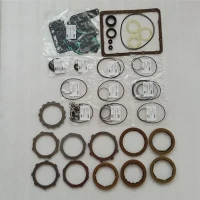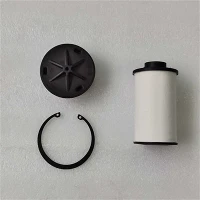

As a reliable supplier of the Filter 481972H000, I am excited to delve into the topic of how this remarkable filter effectively tackles different types of pollutants. In today's industrial and environmental landscape, the ability to purify and protect systems from contaminants is of utmost importance. The Filter 481972H000 stands out as a high - performance solution, and understanding its pollutant - filtering capabilities can help potential customers make informed decisions.
1. Understanding Pollutants in Industrial and Environmental Settings
Before we explore how the Filter 481972H000 works, it's essential to understand the different types of pollutants it encounters. Pollutants can be broadly classified into particulate matter, chemical contaminants, and biological agents.


Particulate matter includes dust, dirt, sand, and metal shavings. These particles can vary in size from large visible debris to microscopic particles. In industrial settings, particulate matter can be generated during manufacturing processes, such as machining, grinding, and welding. In environmental applications, dust and sand can be carried by the wind and enter air and water systems.
Chemical contaminants are substances that can cause chemical reactions or disrupt the normal functioning of a system. These can include heavy metals like lead, mercury, and cadmium, as well as organic compounds such as solvents, oils, and pesticides. Chemical contaminants can enter systems through industrial waste disposal, spills, and agricultural runoff.
Biological agents, such as bacteria, viruses, and fungi, can pose a significant threat to both human health and the integrity of industrial systems. In water treatment, for example, biological agents can cause water - borne diseases. In industrial processes, they can contaminate products and cause corrosion.
2. How Filter 481972H000 Filters Particulate Matter
The Filter 481972H000 is designed with a high - efficiency filtration media that can capture particulate matter of various sizes. The filtration media consists of multiple layers of fine fibers that create a maze - like structure. When the fluid (either air or liquid) passes through the filter, the particulate matter is trapped within the fibers.
For larger particles, the physical barriers created by the fibers prevent them from passing through. The fibers act as a sieve, allowing only the fluid to pass while retaining the particles on the surface or within the filter media. As the fluid continues to flow, smaller particles are also captured through a process called depth filtration. In depth filtration, the particles become embedded within the layers of the filter media, increasing the filter's overall capacity to hold contaminants.
The Filter 481972H000 has a high dirt - holding capacity, which means it can retain a large amount of particulate matter before it needs to be replaced. This is particularly important in applications where there is a high concentration of particulate matter, such as in mining and construction industries.
3. Filtering Chemical Contaminants
To filter chemical contaminants, the Filter 481972H000 can be equipped with special adsorbent materials. These materials have a high affinity for specific chemical substances. For example, activated carbon is commonly used to adsorb organic compounds. Activated carbon has a large surface area with numerous pores that can trap organic molecules through adsorption.
In addition to activated carbon, other adsorbents can be used depending on the type of chemical contaminants. For heavy metals, ion - exchange resins can be employed. Ion - exchange resins work by exchanging ions in the resin with the metal ions in the fluid. This process effectively removes the heavy metals from the fluid.
The combination of the filtration media and the adsorbent materials in the Filter 481972H000 allows for a comprehensive approach to chemical contaminant removal. It can handle a wide range of chemical pollutants, making it suitable for various industrial and environmental applications.
4. Addressing Biological Agents
When it comes to biological agents, the Filter 481972H000 can be treated with antimicrobial agents. These agents can inhibit the growth and reproduction of bacteria, viruses, and fungi. The antimicrobial treatment can be applied to the filtration media during the manufacturing process.
The physical structure of the filter also plays a role in removing biological agents. Similar to particulate matter, the fibers in the filter can trap bacteria and other microorganisms. Once trapped, the antimicrobial agents prevent them from multiplying and causing further contamination.
In water treatment applications, the Filter 481972H000 can be used in combination with other disinfection methods, such as ultraviolet (UV) light or chemical disinfectants, to provide a more robust defense against biological agents.
5. Comparison with Other Filters
There are many filters available in the market, but the Filter 481972H000 offers several advantages. For example, compared to the DCT360 - 0005 - OEM Outer Filter, the Filter 481972H000 has a higher dirt - holding capacity and can handle a wider range of pollutants. The DCT360 - 0005 - OEM Outer Filter is designed for specific applications, while the Filter 481972H000 is more versatile.
The DCT380 - 0001 - AM Outer Filter DCT380 Transmission is also a specialized filter for transmission systems. In contrast, the Filter 481972H000 can be used in a variety of industries, including automotive, aerospace, and environmental protection.
The Filter 0AW 301 516 H may have its own unique features, but the Filter 481972H000 offers a more comprehensive solution for filtering different types of pollutants. It combines the functions of particulate filtration, chemical adsorption, and biological protection in a single unit.
6. Applications of Filter 481972H000
The versatility of the Filter 481972H000 makes it suitable for a wide range of applications. In the automotive industry, it can be used in engine air filters, fuel filters, and oil filters. By removing particulate matter, chemical contaminants, and biological agents, it helps to improve engine performance and extend the lifespan of engine components.
In the aerospace industry, the Filter 481972H000 can be used in aircraft environmental control systems, hydraulic systems, and fuel systems. It ensures the purity of air and fluids, which is crucial for the safe and efficient operation of aircraft.
In environmental protection, the filter can be used in water treatment plants, air purification systems, and industrial waste treatment facilities. It helps to remove pollutants from water and air, making them safe for human use and the environment.
7. Contact for Procurement and洽谈
If you are interested in the Filter 481972H000 or have any questions about its pollutant - filtering capabilities, please feel free to contact us. We are ready to provide you with detailed product information, technical support, and competitive pricing. Our team of experts can also assist you in selecting the right filter for your specific application. Whether you are in the automotive, aerospace, or environmental industry, we have the solution for you.
References
- "Industrial Filtration Handbook" by A. P. Watkinson
- "Water Treatment Principles and Design" by David W. Hendricks, George Tchobanoglous, and Franklin L. Burton
- "Air Pollution Control: A Design Approach" by Norman A. Spanier and John C. Aulich