
Access to clean and safe drinking water is a fundamental human right, yet millions of people in developing countries still lack reliable access to it. Contaminated water sources pose significant health risks, leading to waterborne diseases such as diarrhea, cholera, and typhoid. In the quest for effective water purification solutions, ceramic filters have emerged as a practical and sustainable option, particularly in resource - constrained settings. As a filter supplier, I've witnessed firsthand the transformative impact these filters can have on communities in developing countries.
The Basics of Ceramic Filters
Ceramic filters are made from natural materials like clay, which are fired at high temperatures to form a porous structure. The porous nature of the ceramic allows water to pass through while trapping contaminants such as bacteria, protozoa, and some larger particles. The microscopic pores in the ceramic act as a physical barrier, preventing harmful pathogens from reaching the purified water.
One of the key advantages of ceramic filters is their simplicity. They do not require electricity or complex machinery to operate, making them suitable for areas with limited infrastructure. Additionally, they are relatively inexpensive to produce and maintain, which is crucial in developing countries where financial resources are often scarce.
How Ceramic Filters are Used in Water Purification
The process of using ceramic filters in water purification typically starts with the collection of water from a source, which could be a well, river, or pond. The water is then poured into the top chamber of the ceramic filter system. Gravity causes the water to slowly seep through the ceramic element. As the water passes through the tiny pores of the ceramic, contaminants are trapped on the surface or within the pores of the filter.
Most ceramic filters are designed to be used in conjunction with a storage container. Once the water has passed through the ceramic filter, it collects in the lower container, ready to be used for drinking, cooking, or other domestic purposes. Some advanced ceramic filter systems also incorporate additional purification steps, such as the use of activated carbon to remove chemicals and improve the taste of the water.
Case Studies in Developing Countries
In many African countries, ceramic filters have been widely adopted as a water purification solution. For example, in Kenya, non - governmental organizations (NGOs) have distributed ceramic filters to rural communities. These filters have significantly reduced the incidence of waterborne diseases in these areas. Families who previously had to travel long distances to access clean water can now purify water at home using the ceramic filters.
In South Asia, particularly in Bangladesh, ceramic filters have been used in flood - prone regions. During the monsoon season, water sources are often contaminated with flood - borne pollutants. Ceramic filters provide a reliable way to purify the water, ensuring that families have access to safe drinking water even during difficult times.
Our Range of Filters for Water Purification
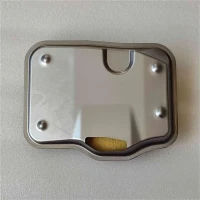
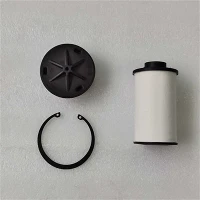
As a filter supplier, we offer a diverse range of ceramic filters suitable for different water purification needs in developing countries. Our AATP - 0199 - AM Filter For Solenoid Tester Transmission Filter is designed with high - quality ceramic materials that provide excellent filtration efficiency. It can effectively remove a wide range of contaminants, ensuring that the purified water meets the basic health standards.
Another product in our portfolio is the 0DD - 0018 - AM Oil Filter Small On Valve Body 0DD Transmission 0DD325433B. While its name might suggest an automotive application, it has also been adapted for water purification in some cases. Its compact size and efficient filtration make it a good option for small households or individual use in developing countries.


Maintenance of Ceramic Filters
Proper maintenance is essential to ensure the long - term effectiveness of ceramic filters. Over time, the pores of the ceramic filter can become clogged with contaminants, reducing the flow rate of water. To address this, the filter can be cleaned by gently scrubbing the surface with a soft brush. In some cases, a mild detergent can be used, but it is important to rinse the filter thoroughly afterward to avoid any chemical residue in the purified water.
The ceramic element also needs to be replaced periodically, depending on the quality of the source water and the frequency of use. Our company provides clear guidelines on maintenance and replacement, and we also offer replacement parts to ensure that the filter systems continue to function optimally.
Challenges and Solutions
Despite their many advantages, the use of ceramic filters in developing countries also faces some challenges. One of the main challenges is the lack of awareness about the proper use and maintenance of the filters. Many users may not be aware of the importance of regular cleaning and replacement of the filter elements, which can lead to reduced effectiveness over time.
To address this issue, educational campaigns are needed. NGOs, local governments, and filter suppliers can work together to provide training to users on how to use and maintain the filters correctly. Additionally, providing easy - to - understand user manuals in local languages can also help improve the situation.
Another challenge is the limited availability of replacement parts in some remote areas. To overcome this, our company is exploring partnerships with local distributors to ensure that replacement parts are readily available in developing countries. We are also working on developing more durable filter elements that require less frequent replacement.
The Future of Ceramic Filters in Developing Countries
The future of ceramic filters in developing countries looks promising. As more research is conducted on improving the design and performance of ceramic filters, they are likely to become even more effective and efficient. For example, new manufacturing techniques could be developed to create ceramic filters with smaller and more uniform pores, which would enhance the filtration of smaller pathogens.
There is also potential for the integration of ceramic filters with other water purification technologies. For instance, combining ceramic filters with solar - powered disinfection systems could provide a more comprehensive and sustainable water purification solution.
Contact Us for Purchasing
If you are interested in purchasing our ceramic filters for water purification in developing countries, we would be delighted to discuss your requirements. Whether you are an NGO looking to distribute filters to communities, a local government agency aiming to improve water access, or an individual interested in a reliable water purification solution, we have the products and expertise to meet your needs. Please reach out to us to start a discussion about your specific requirements and how our filters can make a difference in providing clean and safe water.
References
- World Health Organization. (2022). Guidelines for Drinking - Water Quality.
- UNICEF. (2021). Water, Sanitation and Hygiene in Developing Countries.
- Reports from various NGOs working on water purification projects in Africa and South Asia.